
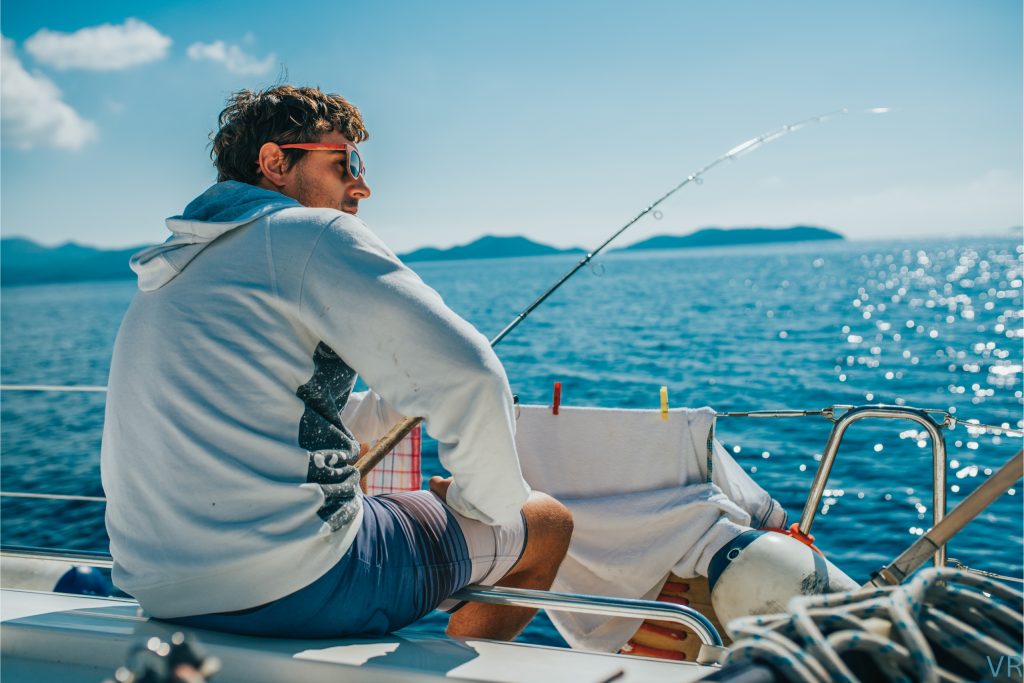
The coast of North Carolina stretches over 300 miles, from the Outer Banks to the mouth of the Cape Fear River. Its rich marine ecosystems, estuaries, and Atlantic shoreline make it a year-round destination for anglers of all skill levels. Whether you’re casting from a pier, trolling offshore, or paddling into a quiet marsh, the seasonal changes bring new species and opportunities throughout the year.
This comprehensive guide breaks down the best fishing on the North Carolina coast by season—highlighting the prime months, targeted species, and reasons why each time of year matters.
Spring: The Reawakening (March – May)
As the coastal waters warm, marine life begins to stir, and fishing picks up across estuaries, inlets, and nearshore waters.
Target Species
- Red Drum (Redfish)
- Speckled Trout
- Bluefish
- Flounder (late spring)
- Atlantic Bonito (offshore)
Why Spring is Great
Spring marks the transition from cooler winter patterns to active feeding behavior as baitfish return to inshore waters. Red Drum begin to move from deeper winter holes to shallow flats. Speckled trout and flounder follow similar patterns, while bluefish schools start to appear along the surf and inshore estuaries.
Offshore, April and May bring fast action with Atlantic bonito—often called the “spring tuna” due to their hard hits and tasty meat.
Best Locations
- Pamlico Sound and its estuaries
- Topsail Island surf and piers
- Cape Lookout and offshore wrecks
Summer: Peak Variety (June – August)
Summer is prime time for fishing the North Carolina coast. Warm waters draw in migratory pelagics offshore and fire up the inshore bite.
Target Species
- Mahi Mahi (Dolphinfish)
- Spanish Mackerel
- King Mackerel
- Flounder
- Red Drum (slot-sized)
- Cobia
- Sheepshead
- Sharks
Why Summer is the Hotspot
This is the season of abundance. Schools of baitfish are everywhere—from menhaden to mullet—drawing predatory species close to shore and into inlets. Spanish and king mackerel are frequently caught by trolling spoons or live bait along nearshore reefs and ledges.
Flounder fishing peaks, especially around bridges and artificial reefs. Sheepshead hang tight to structure, feeding on barnacles and crustaceans. Red Drum are plentiful in grass flats and marshes, offering explosive topwater bites early and late in the day.
Offshore, the Gulf Stream delivers Mahi Mahi in numbers, along with blackfin tuna, sailfish, and wahoo. Cobia, often spotted cruising just beyond the breakers, provide an exciting sight-casting opportunity.
Best Locations
- Bogue Inlet and nearshore reefs
- Wrightsville Beach jetties
- Hatteras and Oregon Inlet for offshore charters
- New River marshes for inshore reds
Fall: Trophy Time (September – November)
Fall on the North Carolina coast is nothing short of magical. Cooling air and water temperatures trigger migrations and aggressive feeding patterns.
Target Species
- Bull Red Drum
- Speckled Trout (peak bite)
- Flounder (until season closes)
- King Mackerel (fall run)
- False Albacore
- Black Drum
Why Fall is a Favorite
Autumn brings some of the best fishing of the year. Large bull reds gather at coastal inlets and beaches—sometimes within casting distance. These fish are typically over the slot limit but provide unforgettable fights and are released after photos.
Speckled trout action is outstanding, especially in October and November. Fish move into creeks and estuaries, hitting soft plastics and twitch baits with aggression.
Offshore, king mackerel make a strong fall push, particularly along temperature breaks and bait-laden areas. False albacore show up in big numbers around Cape Lookout and can be caught on light tackle or fly gear for epic runs.
Best Locations
- Cape Hatteras Point for red drum
- Fort Fisher and Masonboro Inlet for kings and trout
- Cape Lookout “Albie Alley” for false albacore
- Swanquarter marshes and creeks for trout
Winter: Quiet but Productive (December – February)
Though chillier and slower, winter fishing on the North Carolina coast still offers great opportunities for patient anglers.
Target Species
- Speckled Trout
- Striped Bass (northern coast & rivers)
- Red Drum (deep holes and creeks)
- Black Sea Bass (offshore wrecks)
Why Winter Still Works
As water temperatures dip into the 40s and 50s, fish behavior slows, but that doesn’t mean it stops. Speckled trout remain active in deeper holes and backwater creeks—especially on warm, sunny days. Red drum congregate in deeper marsh channels and respond well to soft plastics fished slowly along the bottom.
Northern parts of the coast, especially the Albemarle and Roanoke River systems, become prime striper territory during winter. Offshore, bottom fishing for black sea bass, tautog, and triggerfish remains excellent when the weather allows.
Best Locations
- Backwaters around Swansboro and Sneads Ferry
- Roanoke River for striped bass
- Artificial reefs for bottom dwellers
- Wrightsville Beach area for winter trout
Month-by-Month Fishing Snapshot
Month | Key Species |
January | Speckled trout, striped bass, black sea bass |
February | Red drum (creeks), speckled trout, tautog |
March | Red drum, speckled trout, early bluefish, black drum |
April | Flounder (returns), Atlantic bonito, bluefish, red drum |
May | Mahi Mahi, cobia, speckled trout, flounder, Spanish mackerel |
June | Red drum, flounder, king mackerel, Spanish mackerel, Mahi Mahi, sheepshead |
July | Tarpon (southern coast), sharks, flounder, red drum, black drum |
August | King mackerel, flounder, redfish, Spanish mackerel, cobia |
September | Bull red drum, speckled trout, king mackerel, false albacore |
October | Speckled trout (peak), red drum, false albacore, black drum |
November | Speckled trout, striped bass, flounder (before close), king mackerel |
December | Speckled trout, striped bass, red drum, black sea bass |
Fishing Tips by Season
Spring Tips
- Use popping corks with live shrimp or soft plastics for redfish.
- Look for birds diving on bait offshore—bonito may be underneath.
- Target trout in areas where creeks meet larger bodies of water.
Summer Tips
- Fish early or late to avoid the heat and get the best bites.
- Troll Clark spoons behind planers for Spanish mackerel.
- Use fiddler crabs or barnacles to tempt sheepshead near pilings.
Fall Tips
- Use topwater plugs for early morning trout and red drum.
- Cast metal jigs or epoxy minnows to busting false albacore.
- Slow your retrieve as temperatures drop, especially for trout.
Winter Tips
- Fish deeper holes in marshes for trout and red drum.
- Use scented baits like Gulp! for lethargic winter fish.
- Dress in layers and watch for clear, sunny days after a front.
Why North Carolina’s Fishing is Always in Season
Few places offer such a diverse and accessible year-round fishery as the North Carolina coast. From the shallow flats of the Pamlico Sound to the deep ledges off Cape Hatteras, the state provides exciting angling for every season.
Understanding the patterns of migration, water temperature shifts, and forage availability helps anglers align their tactics to the season. Whether you’re chasing a winter trout in a tidal creek or battling a mahi offshore in July, each month brings a unique challenge—and a fresh reason to get on the water.
So, grab your rod, check the tide, and head to the coast—because in North Carolina, fishing season never ends.